Picture of Yifei Zhao

Yifei Zhao

operations manager

Can You Fly a Drone in Toronto During the FIFA World Cup?

additional airspace restrictions and temporary no-fly zones


You may have seen posts claiming, “you cannot fly a drone in Toronto during FIFA.” That is not entirely accurate.

The short answer: Yes you can still fly a drone in Toronto during the FIFA World Cup, but expect strict restrictions around FIFA World Cup 2026™ sites.

Restrictions during FIFA vary depending on drone weight, operating location, altitude, timing and pilot certification level. While some areas may be temporarily restricted, legitimate drone operations for activities such as construction monitoring, inspections and real estate photography may still be possible with proper planning and approvals.

Transport Canada’s official FIFA drone restrictions can be found here:
Link:https://tc.canada.ca/en/aviation/drone-safety/drone-zone/drone-zone-issue-8-june-2026

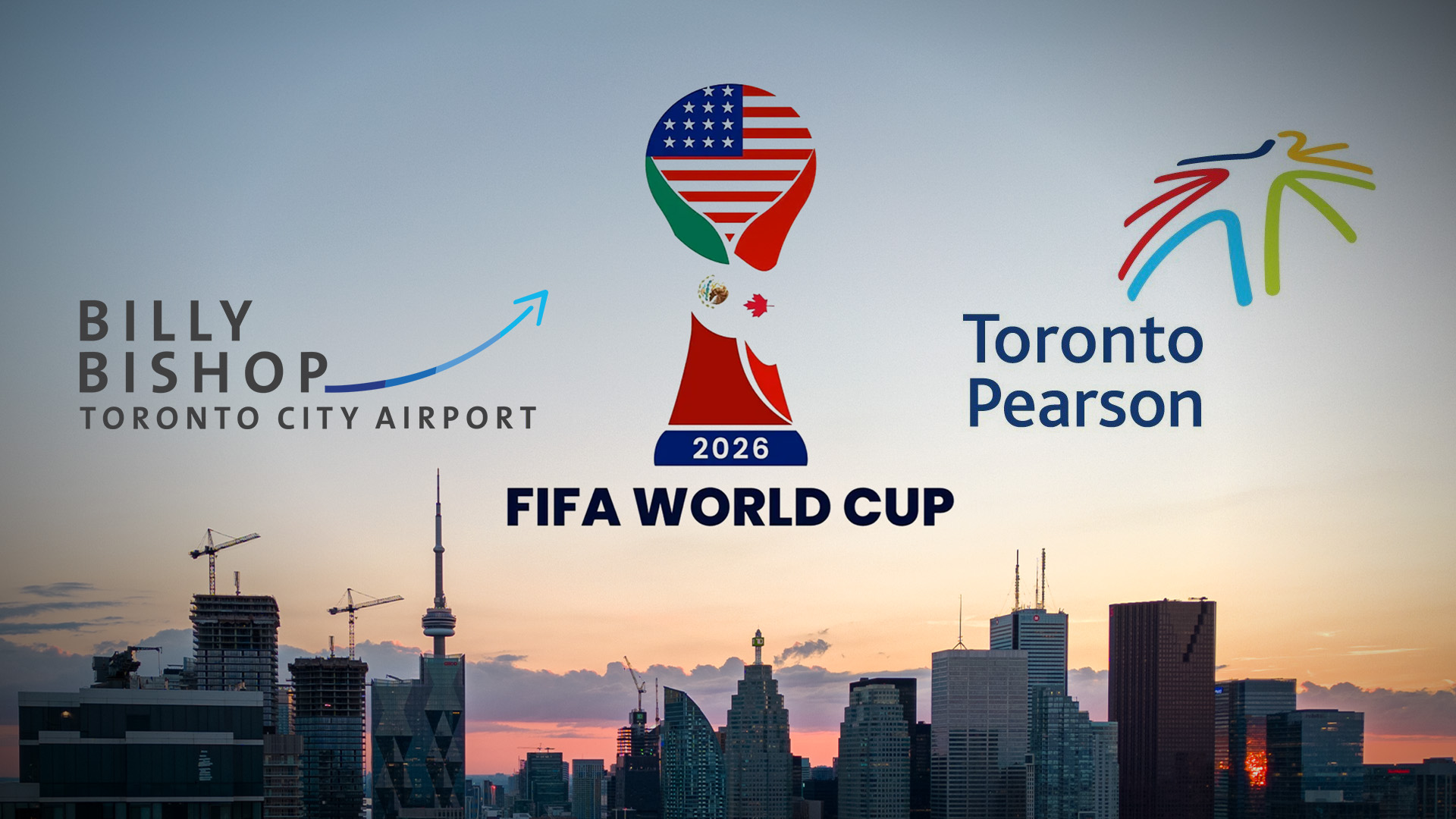
Most of Toronto already sits within controlled airspace surrounding Toronto Pearson International Airport and Billy Bishop Airport. During FIFA, temporary restrictions may overlap with these existing airspace layers.

If you have not already read our guide on Canadian Airspace Explained for Drone Pilots, start there first. Understanding how Canadian airspace works will make it much easier to interpret temporary restrictions during major events like FIFA.

The good news? Flying a drone in Toronto during FIFA is still possible, if you plan properly.

How to Check if You Can Fly?

additional airspace restrictions and temporary no-fly zones


1. Check Airspace

Micro Drones (Under 250g):
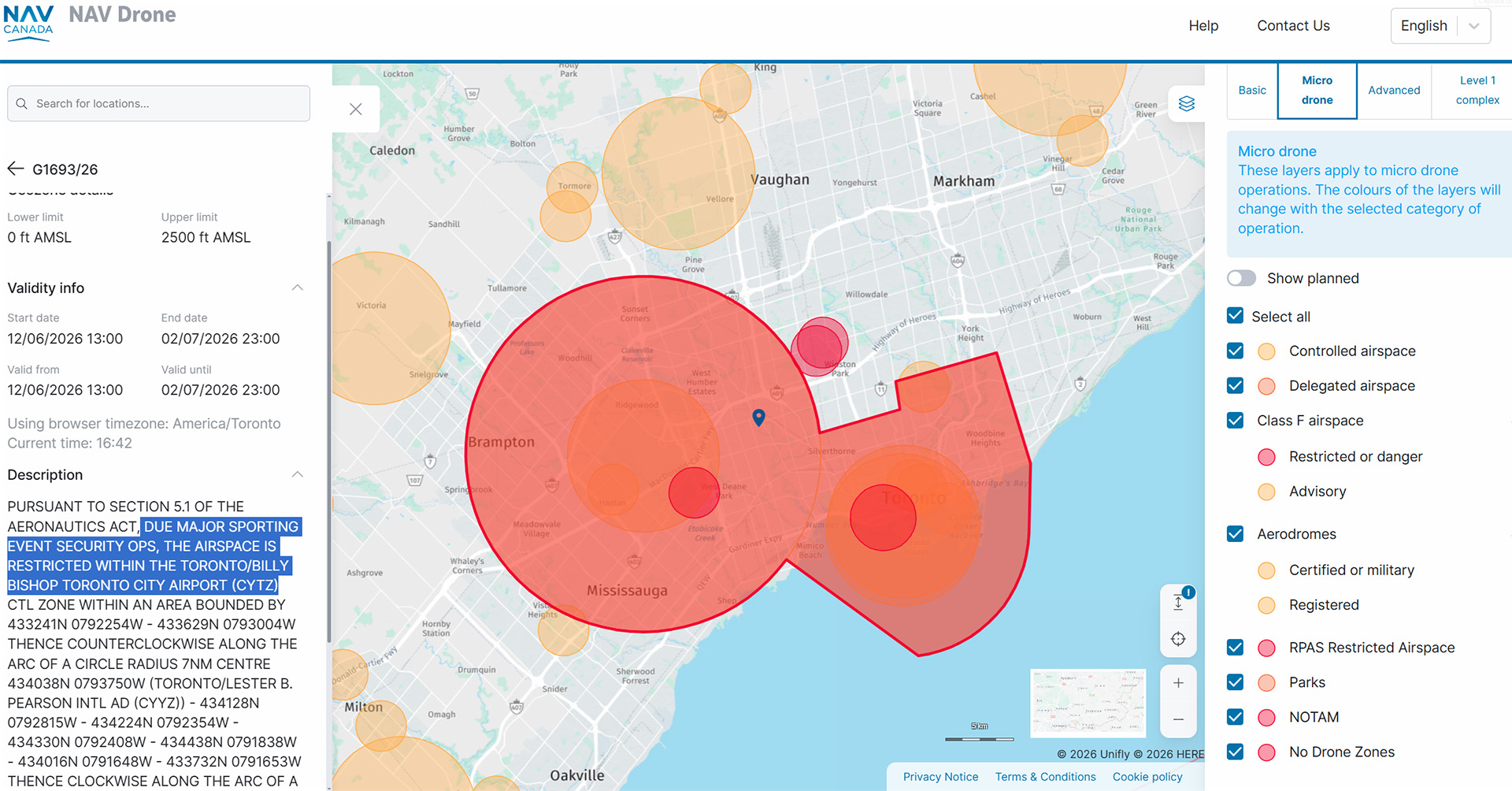
Check NAV Drone Viewer

Search your location using the NAV Drone Viewer.

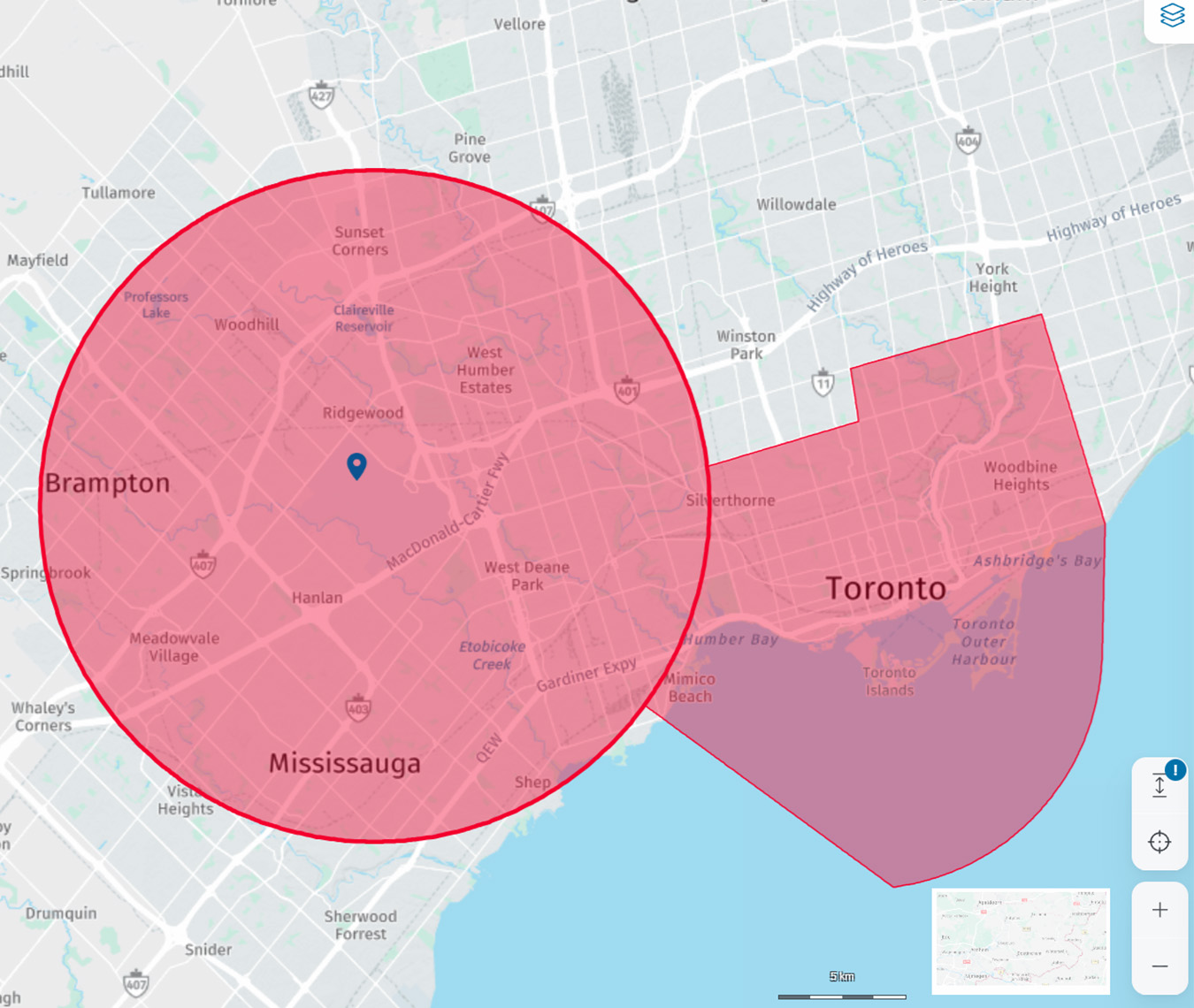
If your location falls within Restricted Areas (depicted in red), you are not allowed to fly a Micro Drone, such as a DJI Mini under 250g, without obtaining permission. (Link to Mini 5 Pro Product: https://altexdronehub.com/shop/dji-mini-5-pro).

Keep in mind that temporary restrictions may appear throughout the FIFA World Cup period. Depending on the location, date, and time, NAV Drone Viewer may produce different results for Micro Drone operations, especially near stadiums, public gatherings and temporary security zones.

Small Drones (250g or Heavier):
Request Permission Through NAV Drone Portal

Drones are used regularly for construction monitoring, building inspections, and real estate photography. For a licensed drone pilot operating for legitimate business reasons, do all operations suddenly stop during the World Cup?

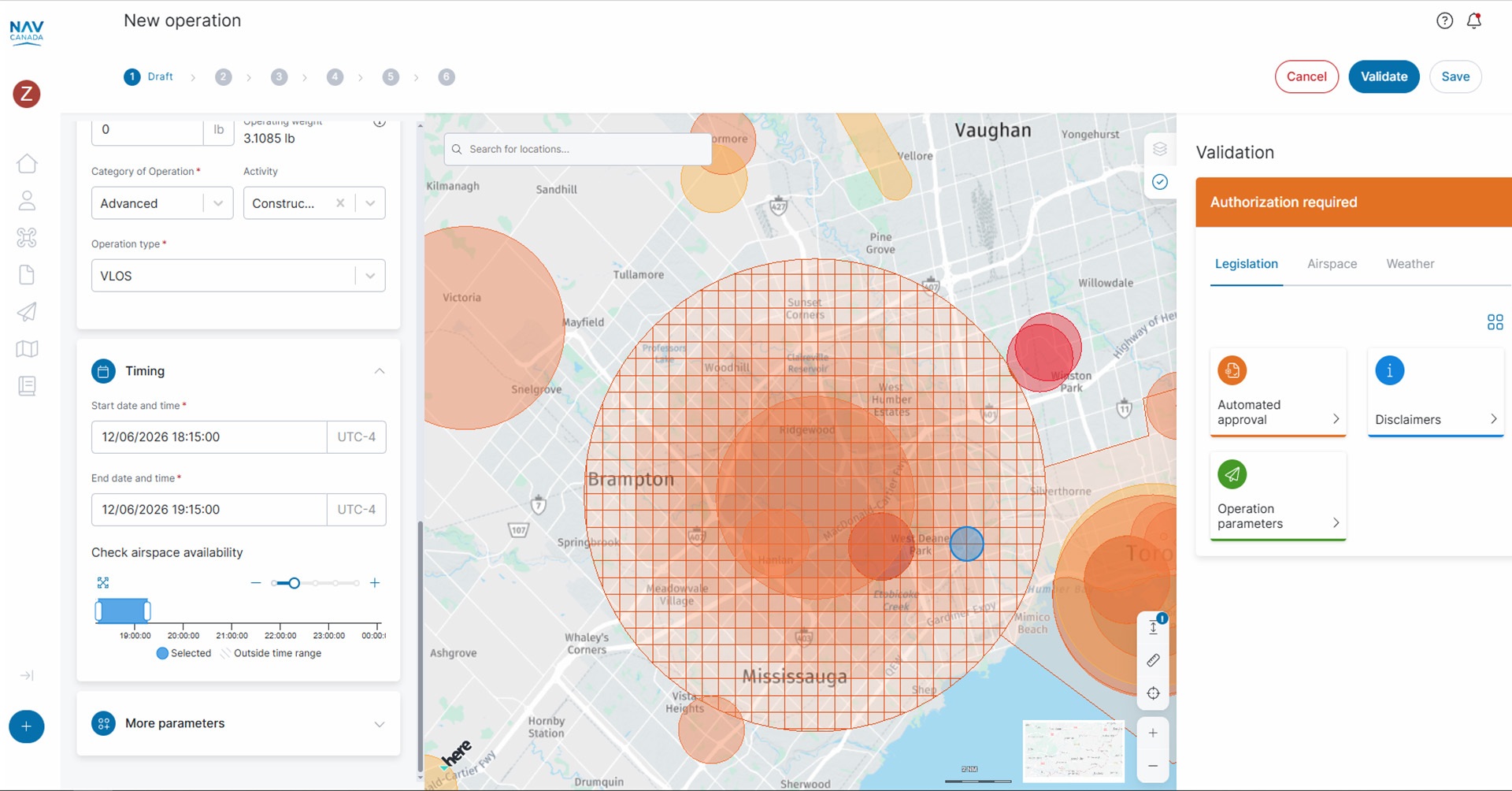
This is where your Advanced Operations process comes into play. Log into your NAV Drone Portal account and submit your flight under Plan Operation.

In the example below, an area restricted for Micro Drone Operations may still receive automated approval for Advanced Operations, depending on operational details.

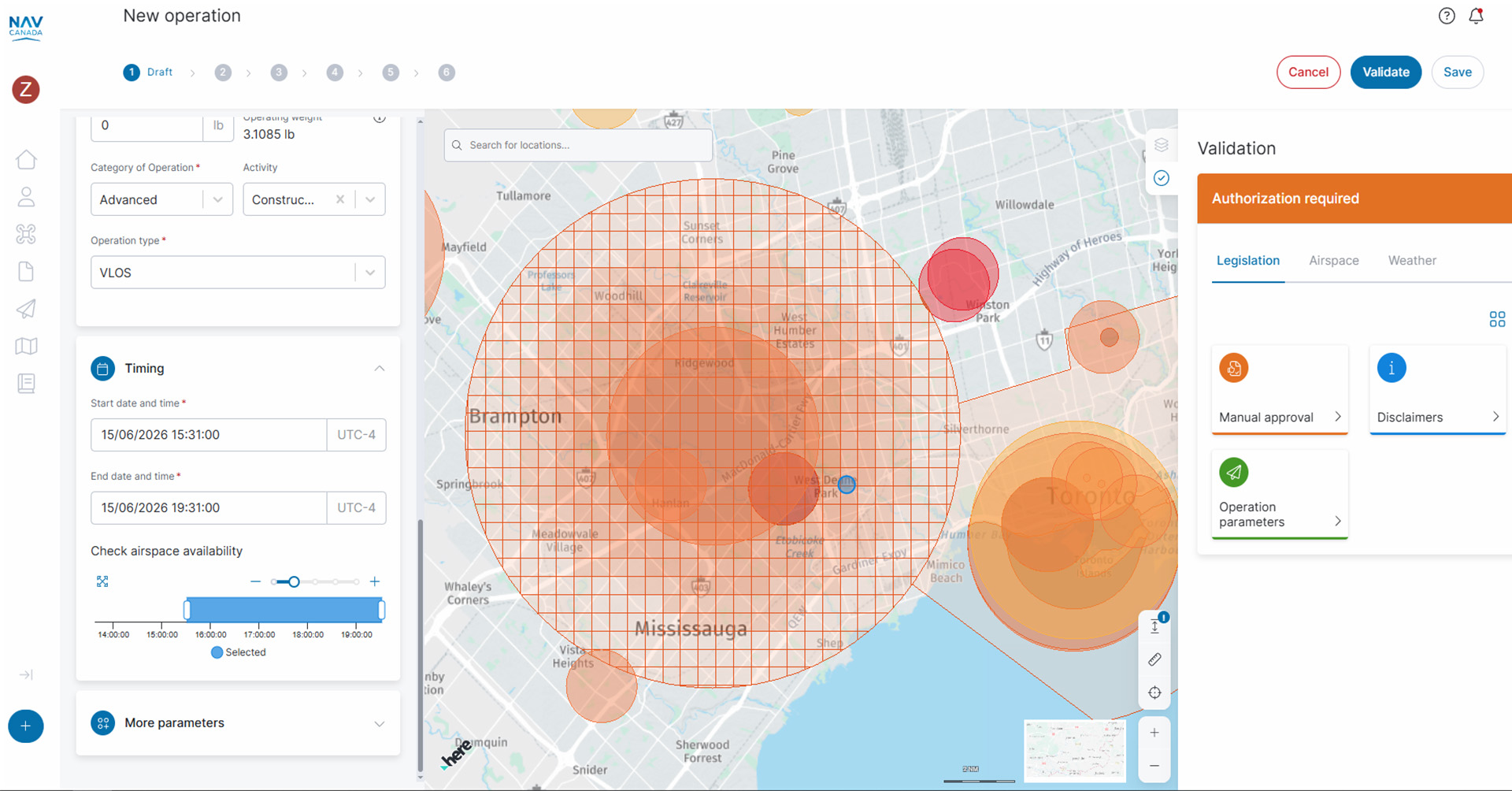
However, by moving the location slightly west, increasing the maximum altitude to 400 feet and adjusting the flight time, the updated operation require manual approval through NAV CANADA.

2. Check Ground Activities

In addition to airspace planning, drone operations must still follow applicable aviation laws and public safety considerations.

Think of it like driving a car. Even if the road is open, drivers still need to obey speed limits, traffic signals and other rules designed to protect public safety.

Micro Drone Operations

  • Cannot fly over advertised events. This is not limited to concerts or festivals. Advertised events may include a soccer watch party, FIFA celebration or privately hosted gathering if it is publicly promoted on websites such as Eventbrite, Facebook Events or Meetup. Pay close attention to what is happening on the ground below your drone.
  • Cannot invade people’s privacy or trespass private property. Avoid recording, observing, or capturing images where individuals have a reasonable expectation of privacy, such as inside homes, fenced backyards, balconies, or private gatherings. Drone pilots should also avoid entering private property without permission for takeoff, landing, or drone retrieval.
  • Must be operated safely without creating concerns or interfering with others’ reasonable enjoyment of public spaces. Even legal drone flights can become problematic if operated recklessly or in a way that causes fear, disruption or nuisance.

Advanced Drone Operations

  • Must maintain the minimum required safety distance from the general public. Depending on your drone category and declaration, this may range from 30 meters, 5 meters or even allow operations over people.
  • Cannot invade people’s privacy or trespass private property. Advanced certification does not override privacy or private property rights.
  • Must follow other aviation requirements, including Visual Line of Sight (VLOS), pre-flight planning, weather assessment, battery and equipment inspections and use of a pre-flight checklist where appropriate.

Learn more about our Advanced Drone Pilot License Training for operations in controlled airspace and professional drone applications: https://altexdronehub.com/shop/advanced-drone-pilot-license

The Key Takeaway

Yes, you can still fly a drone in Toronto during the FIFA World Cup.

But do not assume Toronto airspace works the same during FIFA as it does on a normal day.

A location that was legal yesterday may become temporarily restricted due to match schedules, celebration events, temporary aviation activity or security-related restrictions.

The safest approach is simple:

Check NAV Drone Viewer or NAV Drone Portal, review ground activities and confirm restrictions before every flight. Check Transport Canada Official Drone Safety Page: https://tc.canada.ca/en/aviation/drone-safety

For a deeper understanding of controlled airspace, restricted airspace and drone no-fly zones in Canada, read our full guide: Canadian Airspace Explained for Drone Pilots.

new
POSTs

AlteX_Canadian-Airspace4Drone-Pilots_000

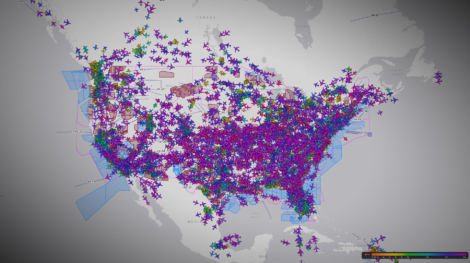
Canadian Airspace Explained for Drone Pilots

Understanding Canadian airspace is essential for drone pilots to fly safely and legally. Imagine driving a car without understanding road structures, highways, or school zones. The same principle applies to drone operations.

AlteXdroneHUB_About_01-History_001

Introducing AlteX droneHUB

What began as one of Canada’s earliest drone schools has evolved into a connected ecosystem for drone training, R&D, and industry collaboration. As AlteX marks its 10-year milestone, we are proud to introduce the next chapter: AlteX droneHUB.

AlteX_ExpertGeophysics_RevolutionizingMineralExploration_FEATURED_001

Expert Geophysics Implementing Drones for Mineral Exploration

Expert Geophysics partnered with AlteX DroneHUB to train their pilots on the DJI Flycart 30, a heavy-lift drone built for demanding industrial applications. Their team completed both Advanced Drone Pilot certification and DJI Enterprise Training, gaining the tools and confidence to expand their drone operations.

Shopping Basket